La ciudad fundacional y College Hill
Providence nació de una discusión sobre la conciencia. Roger Williams la fundó en 1636 como refugio frente a la coerción religiosa, y esa idea todavía puede leerse en College Hill: en sus iglesias, su campus, sus bibliotecas y el capitolio de mármol que domina el río.
El exiliado que fundó un refugio
Roger Williams fue expulsado de la colonia puritana de la bahía, situada al norte, en 1635 por defender que las autoridades civiles no debían vigilar las creencias. En 1636 se instaló en la cabecera de la bahía de Narragansett, en tierras obtenidas del pueblo narragansett, y llamó Providence al lugar.
Williams organizó el asentamiento en torno a la libertad de conciencia: el principio de que el Gobierno no debía imponer la fe. Esa idea, hoy corriente, distinguió a Providence de sus vecinos puritanos y la convirtió en un refugio para personas expulsadas de otras colonias.
La carta y la iglesia
En 1663, una carta real garantizó la libertad religiosa en la ley fundacional de Rhode Island, la primera colonia en hacerlo. La First Baptist Church in America remonta su congregación a Williams y al año 1638, y sigue reuniéndose en un emblemático templo de 1775 al pie de College Hill.
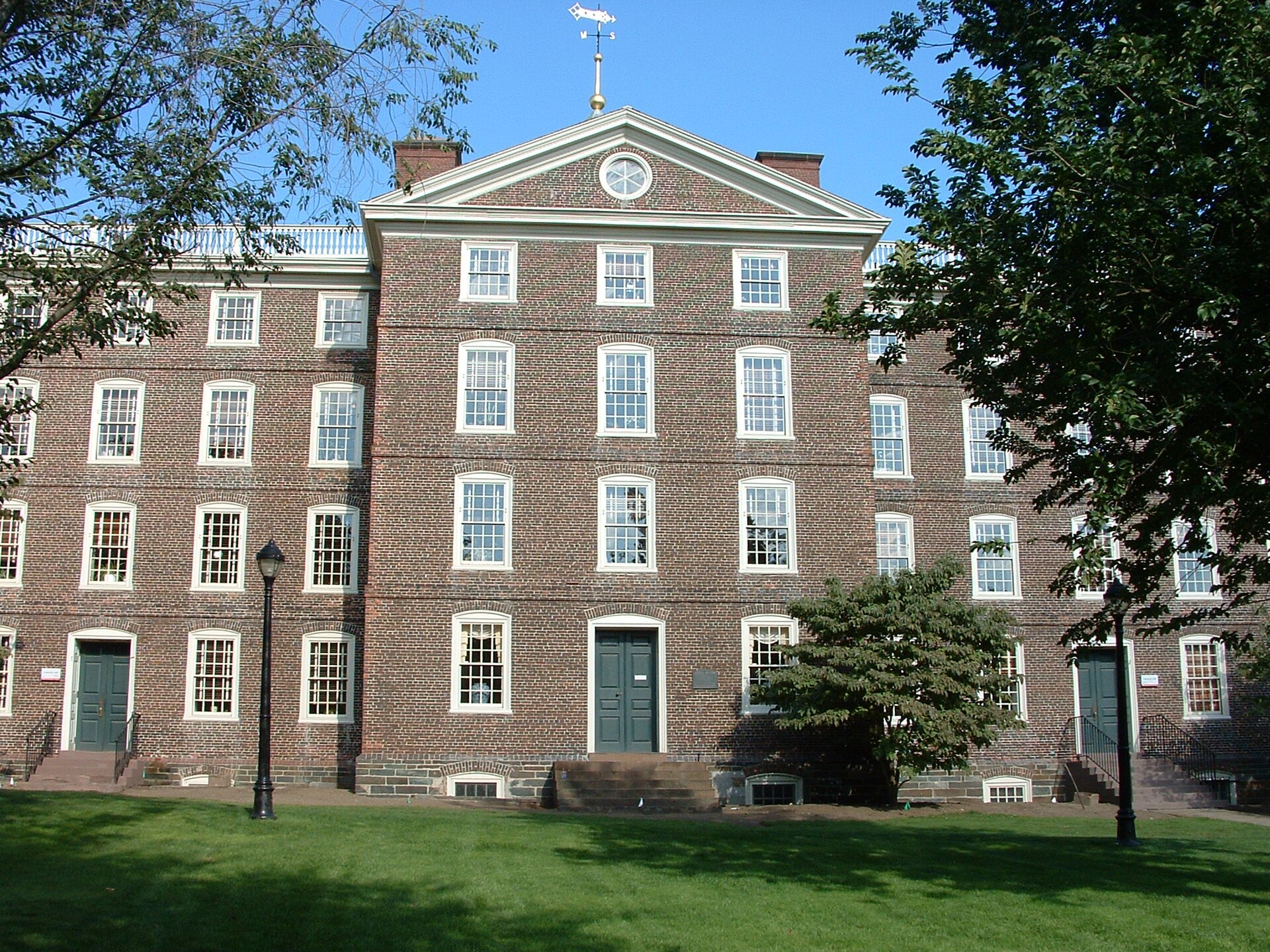
Esa garantía moldeó las instituciones de la ciudad. Brown University, fundada en 1764 y trasladada a Providence en 1770, incorporó la libertad de conciencia en su carta fundacional y admitió estudiantes sin exigir una prueba religiosa.
College Hill y la vida intelectual
College Hill concentra la historia de la ciudad. Benefit Street, la «Milla de Historia», conserva un largo tramo de arquitectura colonial y de estilo federal, mientras que Providence Athenaeum, una biblioteca de socios fundada en 1836, mantiene cercano el pasado literario.
La colina no es un museo apartado de la ciudad — el campus, las bibliotecas, las iglesias y las casas antiguas se ordenan en un mismo trazado caminable, que es la mejor manera de leer Providence a pie.
La declaración de mármol y la contabilidad más dura
Al otro lado del río, el Rhode Island State House, terminado en 1904 en mármol blanco de estilo georgiano y con una de las cúpulas de mármol autoportantes más grandes del mundo, proclama la ambición cívica del pequeño estado.
Pero el relato fundacional encierra una contradicción. La John Brown House, una mansión mercantil del siglo XVIII gestionada hoy por la Rhode Island Historical Society, muestra cómo la misma Providence que fue pionera en libertad religiosa se benefició de la trata transatlántica de esclavos. Una visita atenta debe tener presentes ambas realidades.
Rastro de fuentes revisadas
- Roger Williams National Memorial (NPS) — verificado 2026-06-19
- Rhode Island Department of State — la Carta de 1663 — verificado 2026-06-19
- Brown University — History — verificado 2026-06-19
- Rhode Island Historical Society — John Brown House Museum — verificado 2026-09-11