Understand Providence

Understand Providence

Background reading for the city behind the weekend — Providence as the city of conscience, of its rivers and industry, of creative work, of its immigrant neighborhoods, of its downtown Renaissance, and of Narragansett Bay, told in six acts from College Hill to the water.
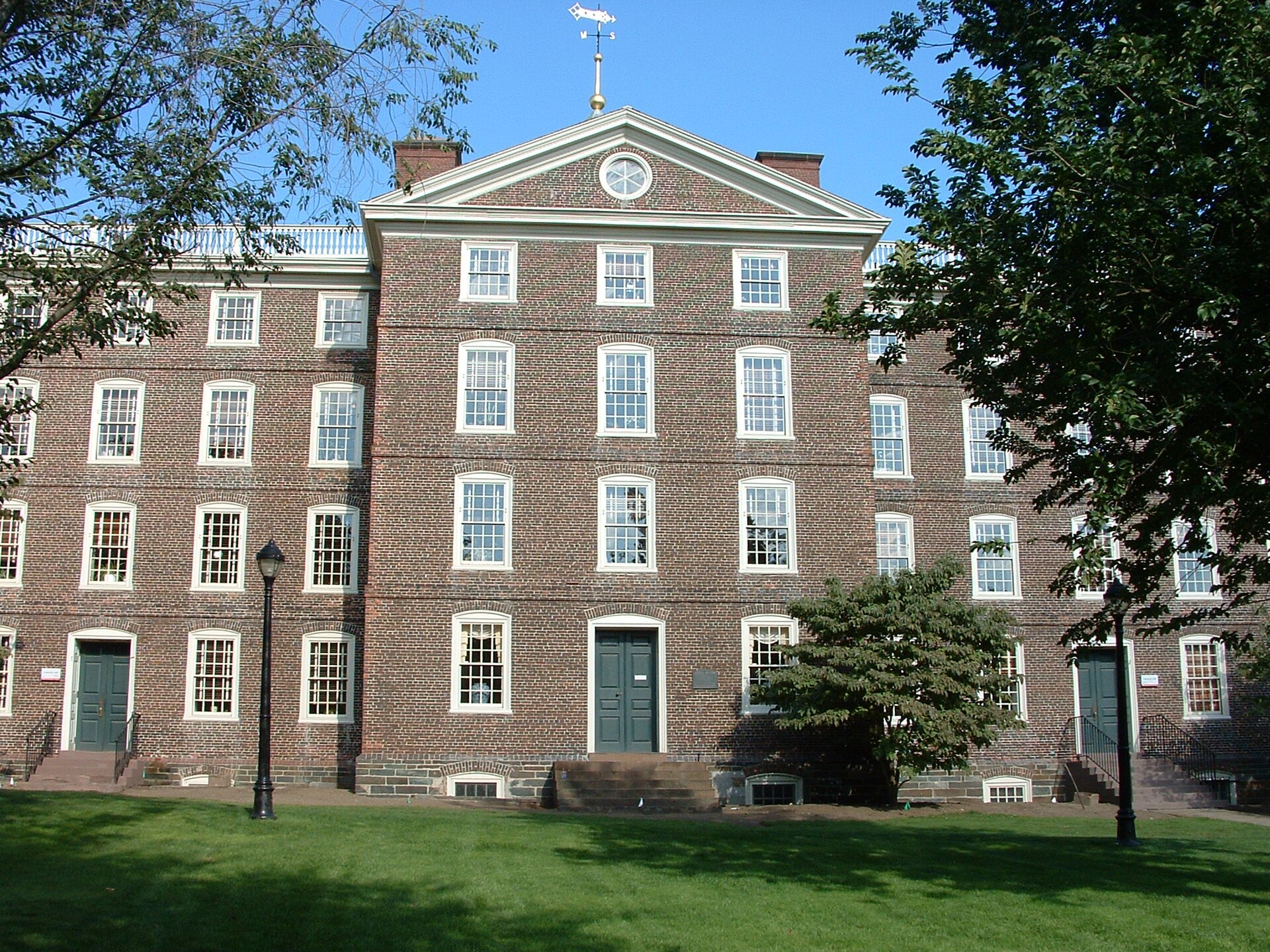
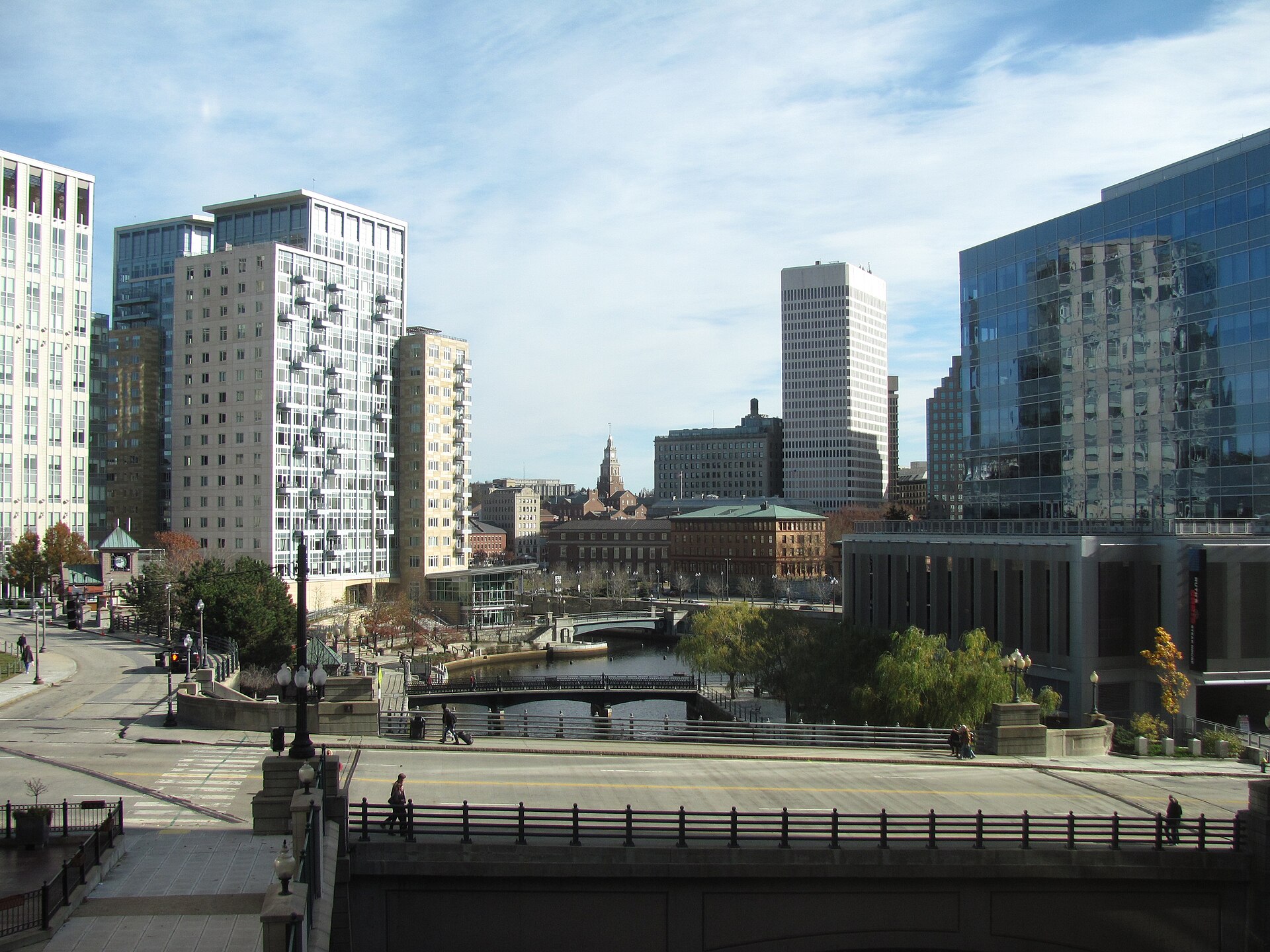
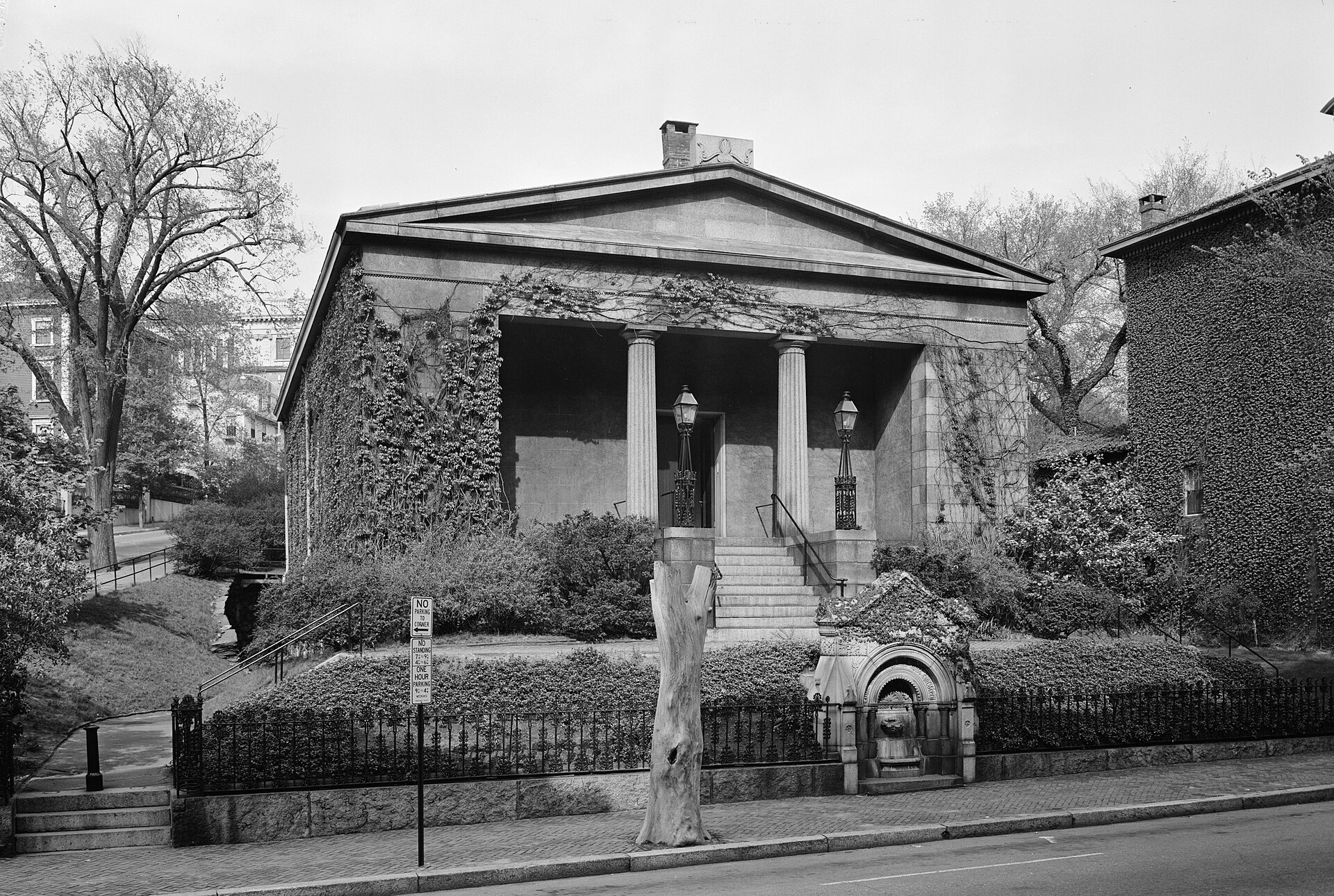
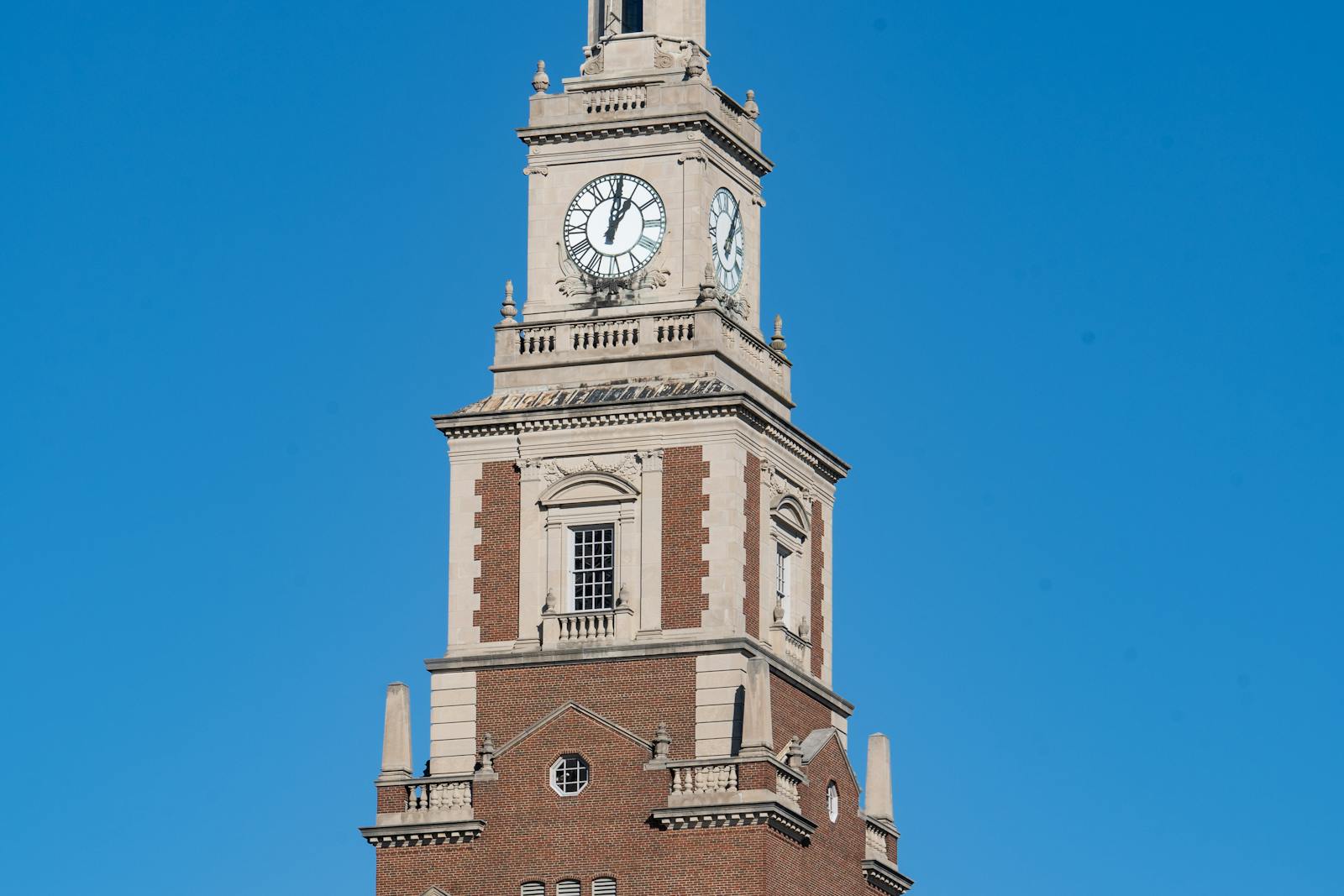
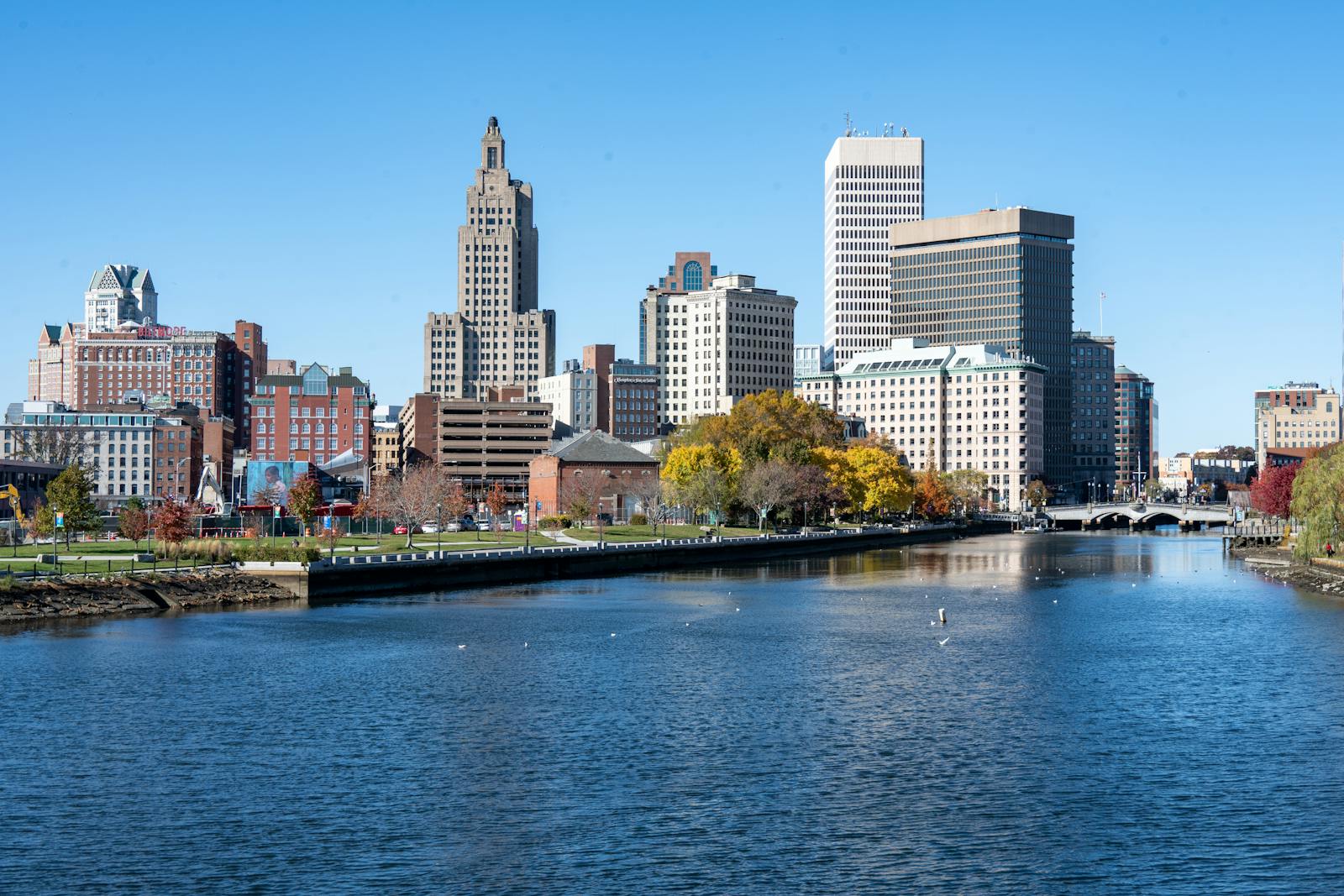
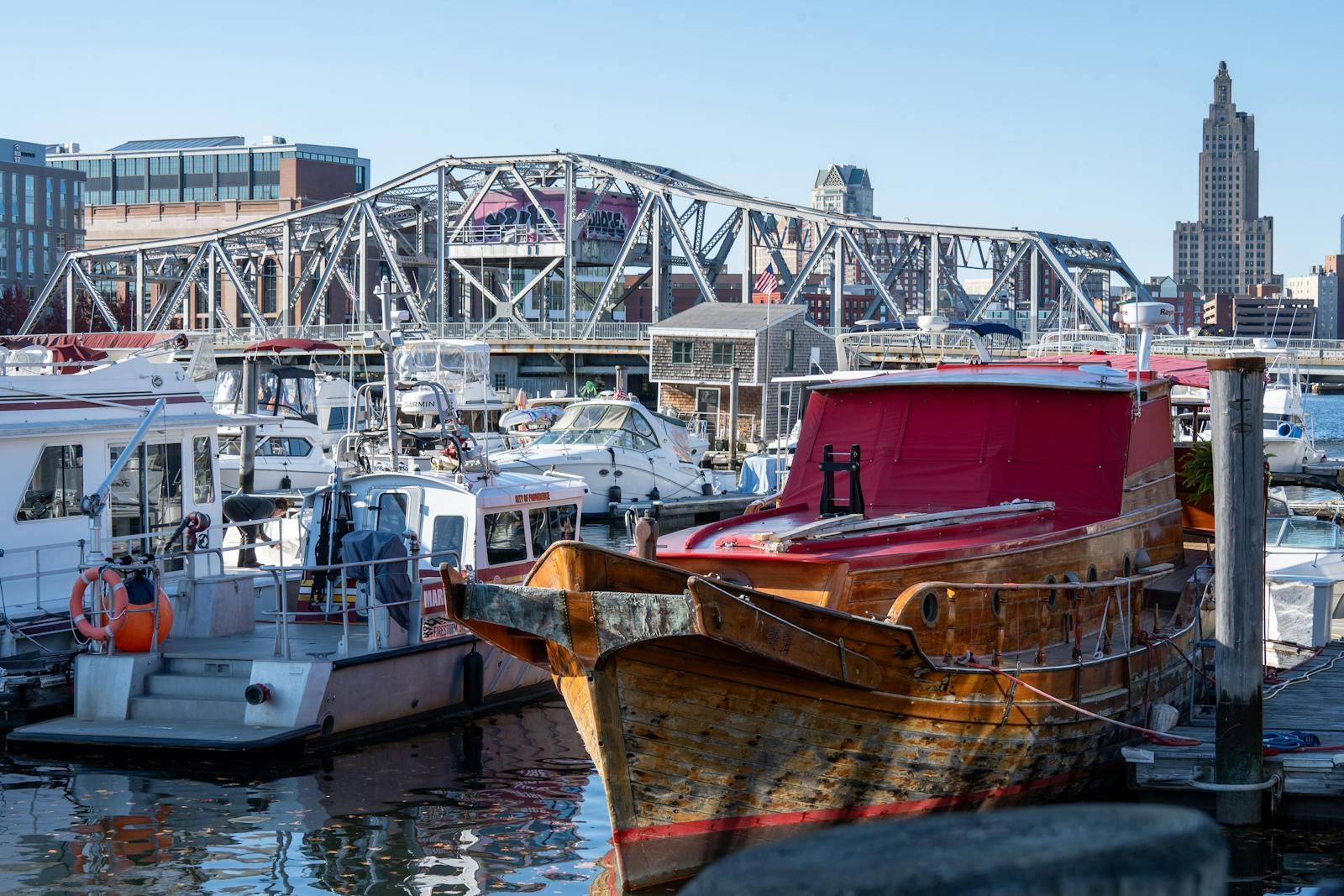
The brick Georgian University Hall on the College Green at Brown University in Providence Act one · Conscience The founding city and College Hill Providence began as an argument about conscience. Roger Williams founded it in 1636 as a refuge from religious coercion, and that idea still reads on College Hill — in the churches, the campus, the libraries, and the marble capitol above the river. The Waterplace Park river basin and Riverwalk below the downtown Providence skyline Act two · The river The city of water and industry Providence is a city of rivers. The Woonasquatucket and Moshassuck meet downtown to form the Providence River, which opens to Narragansett Bay — the water that explains the city's founding, its commerce, its factories, and its modern revival around Waterplace Park. The Greek Revival facade of the Providence Athenaeum on Benefit Street Act three · The makers The creative and gastronomic city Today Providence runs on creative work and the table. RISD and Brown give it a designer's energy, Federal Hill carries its immigrant dinner identity, the Rhode Island plate is its own small cuisine, and the old libraries keep a darker literary memory. A historic clock tower and the downtown Providence skyline against a clear sky Act four · Arrival The immigrant city and its neighborhoods Modern Providence was built, street by street, by people who arrived from somewhere else: Italians on Federal Hill, Cape Verdeans and Portuguese in Fox Point, Irish on Smith Hill, and later Dominican, Southeast Asian, and Liberian communities across the South Side and Olneyville. This is the story of those neighborhoods as living places, told with their food, their churches, their festivals, and the hard parts of the record left in. The downtown Providence skyline and riverfront in autumn Act five · Renewal The Renaissance and the creative downtown In the 1980s and 1990s Providence remade its own center: it pulled up rail yards, took down the bridge that had hidden its rivers, and reopened the water that the early industrial city had paved over. The civic turnaround that followed — known locally as the Providence Renaissance — was carried by preservationists, two anchor theaters, an artist collective, and the city's universities, and championed by a mayor twice forced from office on criminal grounds. Much of it is still legible to a visitor on foot. Boats at a marina on the Providence River near the head of Narragansett Bay Act six · The bay Narragansett Bay and the edge of the sea Providence sits at the head of Narragansett Bay, a deep tidal estuary that made the city a port, twice pushed the ocean into its downtown, and is recovering after a century of industrial pollution. This article reads the bay as the reason the city exists where it does — its colonial sea trade, its working waterfront, its hurricane defenses, and the quahog beds that still define Rhode Island's table.